 Member Login



The following article was written by Craig Reynolds, Regional Executive Vice-President for PSAC Ontario.
My recent trip to Jamaica after Hurricane Melissa was heartbreaking and very personal. I was born in South St. Elizabeth, the area hit hardest by the storm. When I arrived, the place where I grew up was almost unrecognizable. What used to be a community full of happy memories now looked broken and destroyed.
In many communities, people had to use tarps as roofs. Rivers now flowed where roads used to be. Schools turned into temporary health centres so people could get basic care. Miles of power lines lay on the ground, twisted around trees that had been ripped from the earth. I saw fruit trees that had fed families for generations lying collapsed, leafless and without fruit. They reminded me of how much people had lost and how uncertain the future feels.
Hurricane Melissa was one of the strongest Atlantic hurricanes ever recorded and the most powerful cyclone in the world in 2025. Jamaica, Cuba, and Haiti suffered the worst damage. At least 90 people died, and the storm destroyed crops and important public infrastructure like hospitals, communication systems, and electricity. Weeks after the storm, thousands of people still could not return home. In Jamaica, more than 1,000 people were still living in emergency shelters.
In Cuba, more than 215,000 homes were damaged, affecting about 645,000 people. The country also faced a serious lack of medicine to treat water-borne diseases, made worse after the hurricane because of decades-long U.S. sanctions. Communities have now begun to move from emergency relief to rebuilding homes, reopening schools, and repairing basic services like water, power, and health care.
Climate change is causing hurricanes like Melissa to become stronger and more frequent. Small island countries in the Caribbean produce very little pollution that causes climate change, yet they face some of the worst impacts. They lose homes, jobs, and public services, which makes life much harder for ordinary people. This reality makes the fight for climate justice and fair climate funding even more urgent.
But even in all this destruction, one thing gave me hope: the people. Neighbours shared what little they had with each other. People checked in on elders, helped clear debris, and supported families who had nowhere to go. The look on their faces showed strength, dignity, and hope. They refused to give up.
A very powerful part of my visit was seeing the work of the BREDS Treasure Beach Foundation, a grassroots nonprofit organization in South St. Elizabeth. I felt proud and grateful that PSAC could support BREDS during this difficult time. I watched them deliver clean water and aid packages, prepare and hand out hot meals, and help families fix damaged roofs. Their work is not only about short-term help.
They also provided farmers with seeds and fertilizers so they can grow food again, and fishers with wire to repair their fish pots so they can return to work.
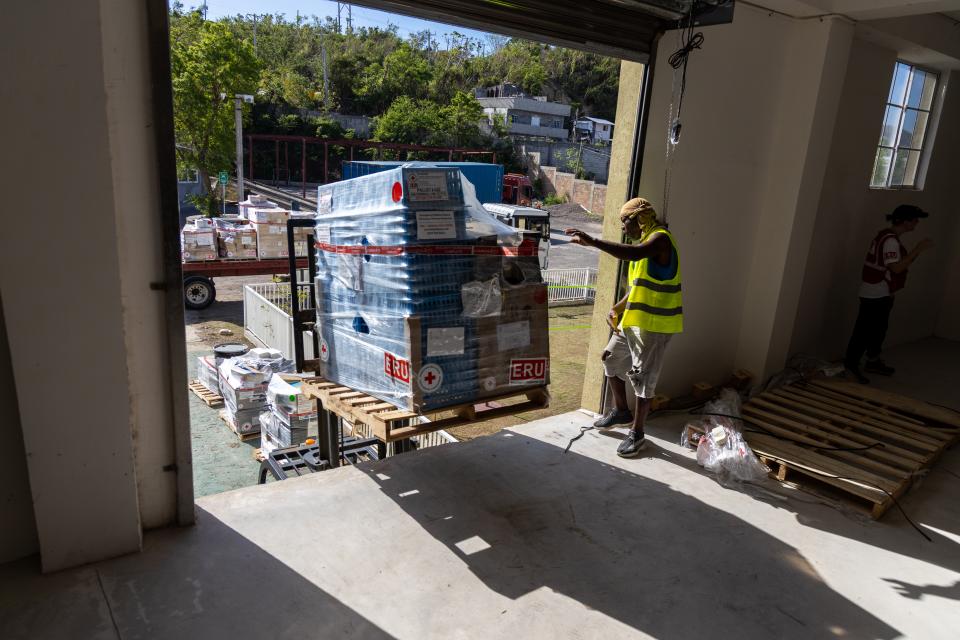
PSAC’s Social Justice Fund (SJF) provided $50,000 in humanitarian assistance to support workers, families, and communities affected by Hurricane Melissa in the Caribbean. More than $30,000 of that money went directly to communities in Jamaica, helping the Canadian Red Cross deliver food, clean water, safe shelter, and other emergency aid to people who were injured or forced from their homes.
At the same time, the SJF supported the Canadian Network on Cuba to help families who lost their homes, providing food and essential supplies and working with local organizations to reach people who needed help the most.
This trip helped me truly appreciate PSAC’s support for workers and communities, especially the people of South St. Elizabeth, as they worked to rebuild their lives. Our support is part of a larger effort by the labour movement to push for stronger public services and resilient infrastructure in the region. We work with local, community-led, and regional partners to make sure support reaches those most affected and helps with long-term recovery, not just short-term relief.
The resilience, strength, and solidarity of people in Jamaica and across the Caribbean reminded me of what we stand for as a union. They do not give up, and neither should we. Together, we can help build a future where all communities grow stronger, safer, and more united.


