 Member Login



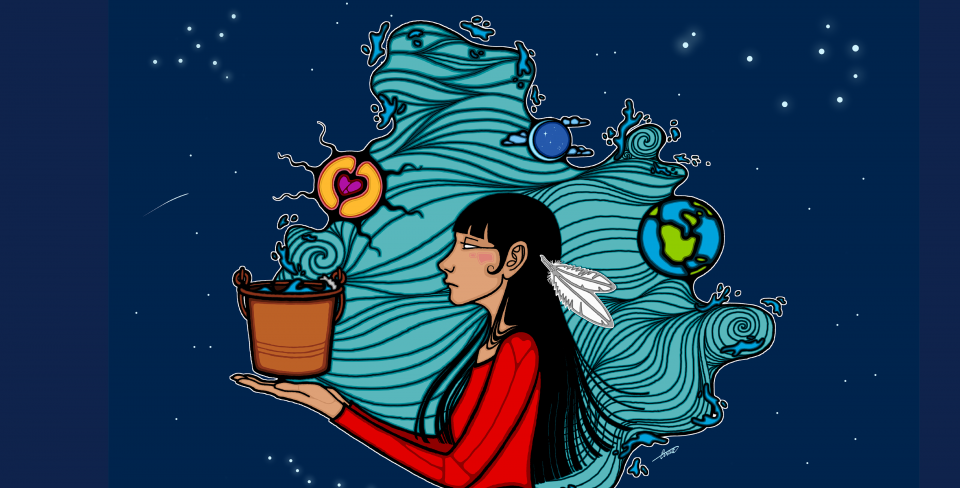
World Water Day takes place every year on March 22. This year’s United Nations theme, “Where water flows, equality grows,” reminds us that safe water and sanitation are human rights and essential for equality. This day and theme are a powerful reminder that the global water crisis does not affect everyone in the same way, especially women, girls, and Indigenous and racialized communities.
Even if it is a fundamental human right, too many people are still forced to fight for sanitation and access to safe drinking water.
Across the world, women and girls are commonly the most affected, since they are usually responsible for collecting water for their families and risk their health and safety when water sources are far away or unsafe. For some, this unpaid work also means missing out on education and job opportunities.
Environmental racism and colonial policies
Unequal access to safe water is a reality in Canada, where many Indigenous communities still face long‑term drinking water advisories and unsafe water systems. This ongoing water crisis is tied to colonial policies and environmental racism, which make Indigenous, Black and other racialized communities more likely to face unsafe drinking water, pollution and poor infrastructure.
Indigenous women and community leaders are often at the forefront of protecting water and land from pollution and environmental damage. Their work shows that protecting water also means protecting communities, rights, and future generations.
“No child should grow up not knowing what clean water is. We all have a right to this water as we need it, not just rich people, all people,” said Autumn Peltier, the Anishinaabe chief water commissioner for the Anishinabek Nation and a global advocate for the human right to clean water.
As a member of the Blue Community Project, PSAC works to recognize water and sanitation as human rights, protect strong public water services, and reduce bottled water use.
PSAC members are also taking action in their workplaces and communities by sharing their stories, raising awareness about the ongoing water crisis and calling on the federal government to end long-term drinking water advisories and invest in safe public water systems for all communities.
Recognizing water as a human right means governments must take action and respect Indigenous rights.
PSAC remains committed to raising awareness about environmental racism and supporting the fight for water justice. This includes recognizing the link between water, gender equality, Indigenous rights and healthy communities.
World Water Day is a chance to learn more about these issues and to take action.
Here is how you can help:
- Sign the Global Call for Action to recognize water and sanitation as human rights and keep water public.
- Mark World Water Day with activities linking water, gender equality and Indigenous rights.
- Cut bottled water use at union meetings and events.
- Share PSAC’s Still Thirsty for Justice campaign materials.


