 Member Login



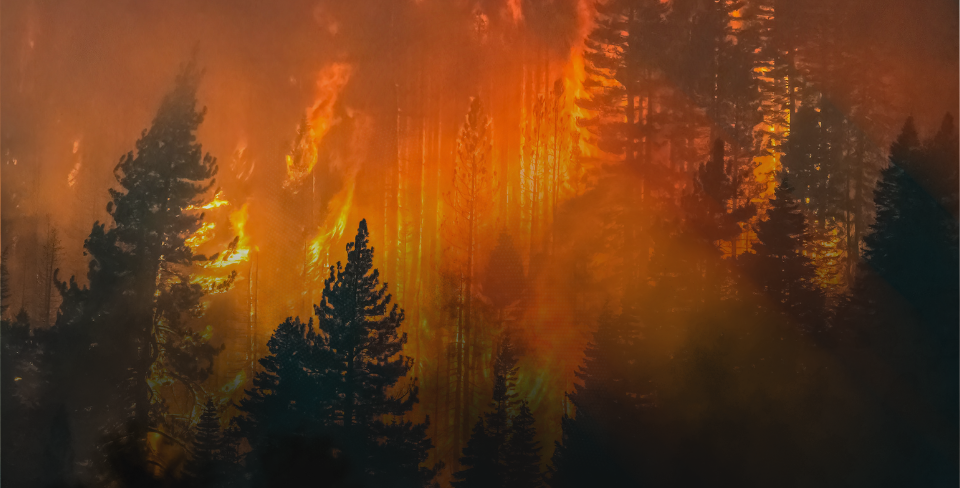
Wildfires are getting bigger. Floods are getting worse. Extreme heat is becoming the norm, not the exception. Communities across the country are facing a growing climate threat — and now is exactly the wrong moment for the government to be cutting the public services we rely on to respond.
Cuts are hitting public services across the country, including the Government Operations Centre, which monitors emergencies across Canada 24/7 and coordinates the federal response.
On top of that, PSAC members at Parks Canada and firefighters at the Union of Northern Workers (UNW) are on the front lines, fighting these wildfires and helping with evacuations. In 2023, more than 300 Parks Canada firefighters were deployed during the record-breaking wildfire season. They also responded to the devastating Jasper wildfire in 2024 and continue to support wildfire responses across the country today.
Their work goes far beyond fighting fires. Firefighters at Parks Canada and at UNW work year-round to reduce wildfire risks through prescribed burns and emergency preparedness — and because many are trained in emergency response, they're increasingly called on for floods, hurricanes, landslides and other disasters too. As climate emergencies intensify, these workers are being asked to do more, with fewer resources to keep up.
Some communities face greater risks
Climate disasters affect everyone, but they do not affect everyone equally.
Indigenous, racialized, northern and remote communities can face greater exposure to wildfires, smoke and other environmental hazards while having fewer resources available to respond and recover.
For remote communities, an evacuation can mean travelling hundreds or even thousands of kilometres. Indigenous communities can also face the loss of homes, traditional lands and ways of life.
This is part of the reality of environmental racism: existing inequalities can leave some communities facing greater environmental risks and fewer protections. Cutting emergency services will only make those inequalities worse.
If you want to find out more about environmental racism, contact your regional office to find out about the new course.
Protect the workers who protect our communities
There is also a serious toll on the workers responding to these emergencies. Wildland firefighters can spend weeks away from their families, working long days in dangerous conditions, and breathing wildfire smoke. Being repeatedly deployed across fires, floods and other disasters exposes them again and again to traumatic situations, raising real concerns about their long-term mental health and the sustainability of this expanding workload.
As climate change intensifies fire, heat, humidity and air quality risks, these workers also need updated personal protective equipment and stronger protections for rest and recovery — not the standards of a decade ago. They need enough coworkers, proper training and equipment, and strong mental health supports.
Canada needs to invest in local firefighter capacity across the country, especially in the North, and expand Parks Canada's wildfire and emergency response programs — including more crew capacity and more members — before demands on these workers outpace what they can safely sustain. It also needs a strong Government Operations Centre with enough workers to monitor threats and coordinate the federal response around the clock, and policies that help reduce emissions, like investing in remote work and public transit.
Climate disasters are only getting worse. We can't wait until these workers are stretched past their limit to invest in the people who keep our communities safe.


